
oval lighted vanity mirror
The Current Landscape of Float Glass Prices Float glass, a key material in the construction and manufacturing industries, has been experiencing notable fluctuations in price over recent years. Understanding the factors driving these changes is essential for stakeholders, including manufacturers, builders, and consumers. What is Float Glass? Float glass is produced by floating molten glass on top of molten tin. This process yields a smooth and uniform sheet of glass that is free from impurities and defects. Its excellent optical clarity and mechanical strength make it suitable for a wide range of applications, including windows, facades, and mirrors. The demand for float glass is continually growing, primarily due to the expanding construction industry and the increasing interest in energy-efficient glazing solutions. Current Price Trends As of late 2023, float glass prices have been influenced by a myriad of factors ranging from production costs to global economic conditions. In recent months, the prices have seen an upward trend, primarily due to rising energy costs, which account for a significant portion of the manufacturing expenses. The ongoing geopolitical tensions and their impact on energy supply chains have also exacerbated this situation, leading manufacturers to pass on these costs to consumers. Furthermore, the demand for energy-efficient building materials has surged, partly driven by stricter environmental regulations and the global push towards sustainability. This has spurred innovations in float glass production, leading to the development of low-emissivity (low-E) coatings that improve energy efficiency. However, these advancements come with higher production costs, which can contribute to increased prices in the market. On the supply side, production disruptions caused by the COVID-19 pandemic have had lingering effects. Many glass manufacturers struggled to keep pace with production schedules, leading to shortages that naturally drive prices higher. As supply chains attempt to stabilize, the float glass market is still adjusting to these delays, and manufacturers are working to ramp up production levels to meet the recovering demand. float glass price Regional Variations in Float Glass Prices Another aspect affecting float glass prices is regional differences in production capabilities and market demand. For example, regions with established manufacturing facilities and efficient distribution networks generally experience lower prices due to reduced logistics costs. In contrast, areas that rely on imported float glass may face higher prices due to shipping costs, tariffs, and transportation challenges. In addition, emerging markets in Asia and Africa are witnessing rapid growth in construction and infrastructure development. This surge in demand for float glass has the potential to push prices higher in these areas, particularly as new construction projects ramp up. Future Outlook Looking ahead, several factors are likely to influence float glass pricing in the coming years. As the world continues to transition towards sustainable construction practices, the demand for high-performance float glass is expected to rise. Innovations in glass technology, such as smart glass and enhanced thermal insulation, could transform market dynamics and create new pricing paradigms. Moreover, as global energy markets stabilize, there is potential for production costs to decrease, which could lead to a moderation in float glass prices. However, this will largely depend on geopolitical stability and energy efficiency trends. The roles of recycled materials and circular economy practices are also gaining traction, which could impact production processes and, consequently, pricing. Conclusion In summary, float glass prices are currently on an upward trajectory driven by rising production costs, supply chain challenges, and increased demand for sustainable building materials. As the construction industry evolves and embraces new technologies, stakeholders must closely monitor these trends and adapt their strategies accordingly. Understanding the complexities of the float glass market will be critical for achieving competitive advantages in an increasingly dynamic economic landscape. As we navigate these changes, collaboration among manufacturers, distributors, and consumers will be key to fostering a resilient market.
-
infinity bathroom mirror
infinity bathroom mirror
View Details -

4mm toughened glass price
4mm toughened glass price
View Details -

what is toughened laminated glass
what is toughened laminated glass
View Details -

frosted tempered glass
frosted tempered glass
View Details -
large lighted bathroom mirror
large lighted bathroom mirror
View Details
Our application
-
 read more
 -
 read more
 -
 read more
 -
 read more
 -
 read more
 -
 read more
news and information
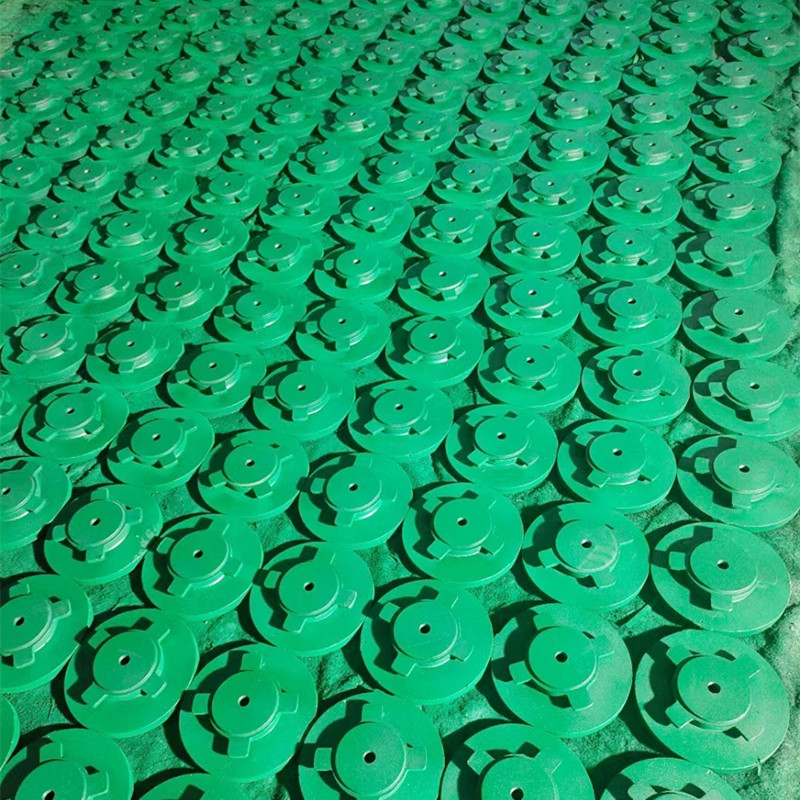
Versatile 4x4 Welding Table for Precision Metal Fabrication and Joinery Projects
The Versatility of a 4x4 Welding Table Welding is an essential fabrication process that requires pre
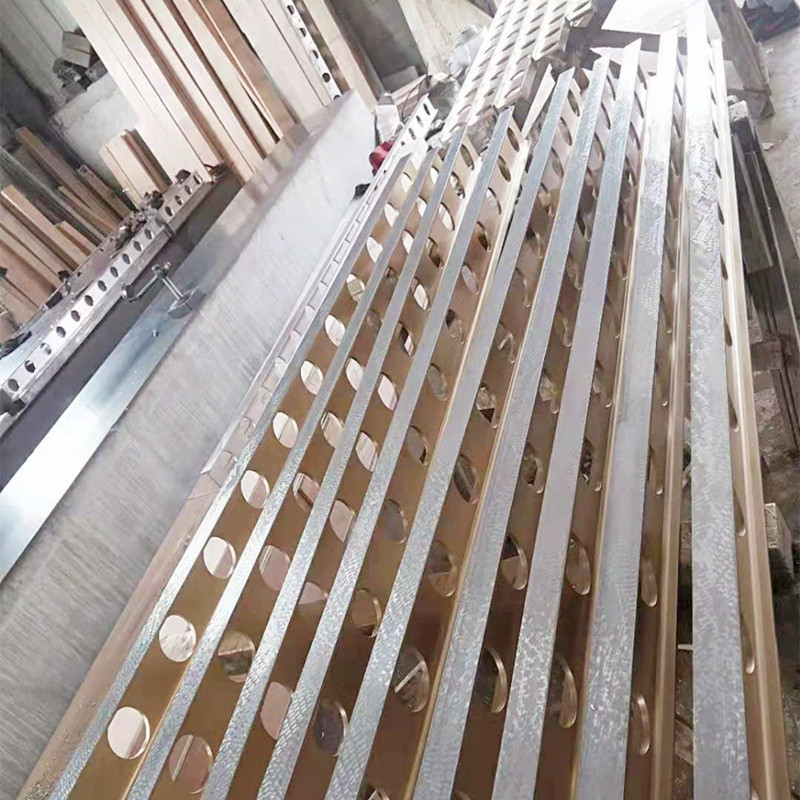
vibration pad price
Understanding Vibration Pad Prices A Comprehensive Guide Vibration pads, also known as anti-vibratio

Využití paralelního pravítka v různých oborech a jeho výhody
Použití paralelních pravítek v praxi Paralelní pravítka jsou jedním z nejoblíbenějších nástrojů mezi